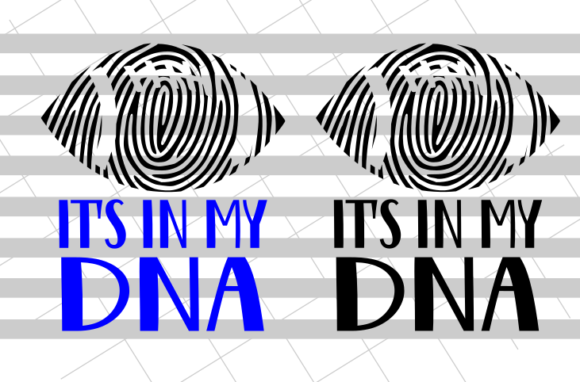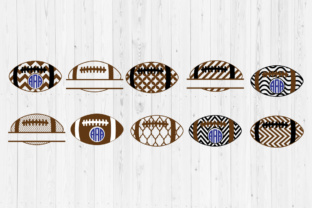
Football Files: A Designer’s Take on This Sports-Themed Set
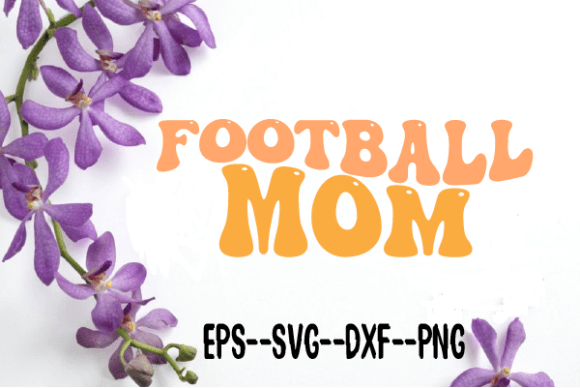
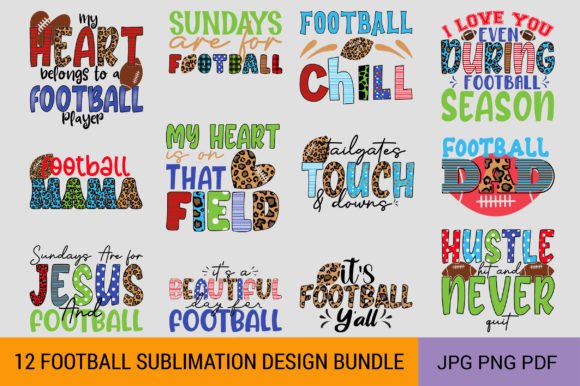
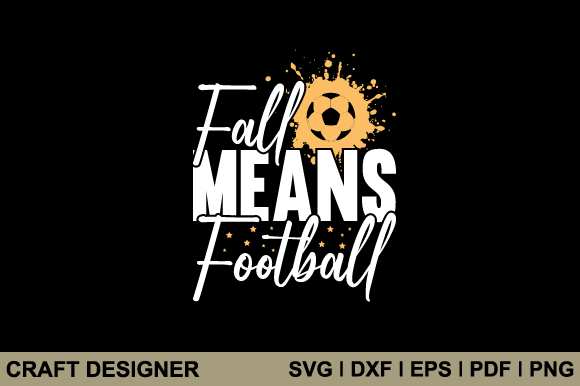
When I first opened the Football Files digital pack, I was curious how a sports-themed graphic set would translate into real embroidery work. As someone who regularly tests machine embroidery designs for both personal projects and client orders, I’ve learned that what looks good on screen doesn’t always stitch out well. This set, offered as an instant download with SVG, DXF, PNG, and JPG formats, immediately struck me as versatile enough for a range of craft business applications. But I wanted to evaluate it through the lens of actual embroidery, not just digital design. So I grabbed a few test fabrics, loaded up my machine, and got to work.
This review comes from a practical place. I run a small shop that produces custom apparel, personalized gifts, and boutique merchandise, and I’m always looking for design assets that hold up under the needle. Football Files has a clean, sporty feel that fits naturally into projects for players, fans, teams, and families. The mood is energetic but not overly loud, which means it can work for both youth sports and adult fan gear. That balance is harder to find than you might think.
First Impressions: What This Design Set Brings to the Table
The Football Files collection feels like it was built with real projects in mind. The shapes are bold enough to read well from a distance, but the layout leaves room for personalization, whether that means adding a name, number, or team color. The visual personality sits somewhere between classic and modern, which helps it appeal to a wide range of buyers. From a designer’s perspective, that kind of versatility is gold when you’re creating products for a craft fair, an Etsy listing, or a local team order.
Because this is a set of graphics rather than a pre-digitized embroidery file, I treated it as a foundational asset. I imported the SVG into my digitizing software and worked through the conversion process, paying close attention to how the shapes would behave as satin stitches, fill stitches, and running stitches. The clean lines and clear separation between elements made the digitizing relatively straightforward. That’s a good sign for anyone who plans to use these files as a starting point for custom embroidery projects.
One thing I noticed immediately: the design works well as a standalone motif or as part of a larger composition. If you’re creating a sweatshirt embroidery for a team parent, or a tote bag design for a sports-themed gift, the shape sits naturally without feeling awkward or crammed. The proportions are balanced, which matters when you’re placing it on a cap, a pillow cover, or a baby blanket.
Real-Use Scenario: A Custom Embroidered Tote Bag Order
To give Football Files a proper workout, I used it for a real client request: a set of personalized tote bags for a youth football team’s end-of-season gifts. Each bag needed the team name, a small player number, and the sport motif. I digitized the graphic from the SVG file, paired it with a simple block font, and tested it on a medium-weight cotton canvas tote.
The stitch-out was clean. The satin stitch edges held their shape without distortion, and the fill stitch areas covered evenly. I used a medium-weight cutaway stabilizer and a 75/11 sharp needle, and the design handled the fabric texture well. The client was pleased with the crisp look, and the bags held up after a few washes. For a small shop product, that kind of durability is essential. I’ve had designs that looked great fresh out of the hoop but puckered after a single trip through the laundry. Football Files didn’t have that problem.
I also tested the design on a performance-fabric sweatshirt, which is a trickier surface because of the stretch and texture. The key was using a tear-away stabilizer with a light cutaway layer underneath, and reducing the stitch density slightly in the digitizing software. The result was a flexible, readable embroidery that moved with the fabric without pulling or gaping. That kind of adaptability makes this set a solid choice for custom apparel, especially for sportswear that needs to look good both on the field and off.
Where Football Files Shines in Real Embroidery Projects
In my testing, this design worked best on medium to large hoop sizes. The shapes are detailed enough to look professional but not so dense that they cause thread breaks or fabric distortion. I’d recommend using a 4x4 hoop for smaller applications like caps or patches, and a 5x7 or larger for sweatshirts, tote bags, and aprons. If you’re working with a smaller hoop, consider scaling the design down carefully and checking the stitch density before committing to the final product.
The design is particularly strong for:
- Custom apparel like t-shirts, sweatshirts, and hoodies for team orders or fan gear
- Embroidered patches that can be sewn onto bags, jackets, or hats
- Baby embroidery for onesies or blankets with a sporty parent theme
- Holiday embroidery gifts for football fans, especially around Super Bowl season or Christmas
- Boutique products like pillow covers, kitchen towels, and tote bags with a sporty accent
- Small business merchandise for local sports teams or fan shops
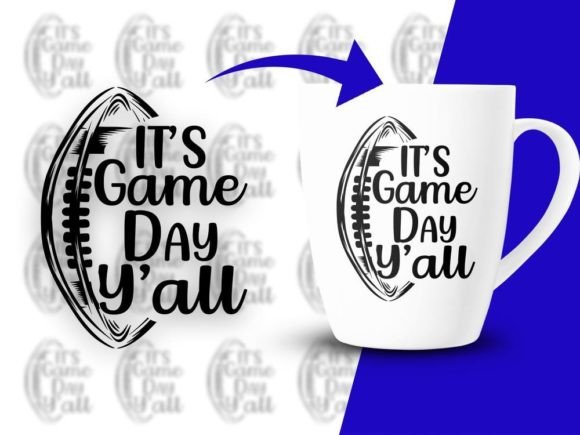
I also found that the design works well as a printable mockup for Etsy listings. The PNG and JPG formats let you create realistic product previews without stitching out every variation. That’s a huge time saver when you’re a digital product seller or a craft business owner trying to show customers what the finished item will look like.
When to Use This Design with Care
No design is perfect for every surface, and Football Files has a few limitations worth noting. The detail level is moderate, which means it can lose clarity in very small hoop sizes. If you’re planning to stitch it on a cap or a tiny baby onesie, test the scale first. I ran a version at 1.5 inches wide, and the inner shapes started to feel crowded. The satin stitch columns thickened, and the fill stitch areas lost some definition. For small projects, consider simplifying the design or using a larger hoop.
On textured fabrics like fleece, terry cloth, or thick knits, the design still performed well, but I recommend using a water-soluble topping to keep the stitches from sinking into the pile. On dark fabrics, the thread color contrast becomes critical. I tested a white thread on black fabric, and the design read clearly. But if you’re using a dark thread on a dark background, the shapes can blend together. Always test your thread colors on a scrap piece first, especially if you’re working with a fabric that has a nap or sheen.
For curved surfaces like caps or the side of a sleeve, the design’s shape is fairly forgiving. But I’d suggest using a cap hoop and a firm stabilizer to prevent distortion. The design isn’t overly dense, but the stitch count is high enough that you want to avoid puckering on thin or stretchy fabrics. A good rule of thumb: if the fabric is lightweight, use a cutaway stabilizer and reduce the stitch density slightly in your digitizing software.
How This Design Affects Product Value and Customer Trust
In my experience, the visual appeal of a finished embroidery project is the single biggest factor in whether a customer feels they got their money’s worth. Football Files delivers a clean, professional look that elevates a handmade product. When I presented the tote bags to my client, they immediately commented on how crisp and polished the embroidery looked. That kind of reaction builds trust, encourages repeat orders, and helps your small shop stand out at a craft fair or in an Etsy search.
For Etsy sellers and boutique owners, the design’s sporty but not aggressive tone makes it easy to pair with other elements. You can add a name, a number, a team logo, or a decorative border without the overall composition feeling cluttered. That flexibility is a huge advantage when you’re creating personalized gifts for a variety of customers. The design also works well as a standalone graphic on a sweatshirt or tote bag, which simplifies production and reduces digitizing time.
From a brand consistency standpoint, Football Files has a unified look that you can carry across multiple product types. If you’re building a small shop product line around sports themes, this set gives you a coherent visual language. That matters when customers are browsing your shop and looking for a cohesive gift set or a matching set of team merchandise.
Practical Embroidery Designer Notes Before You Start
Before you use Football Files in a commercial project, here are a few practical steps I recommend taking:
- Test the design on scrap fabric first using the exact stabilizer and thread you plan to use for the final product. This is especially important if you’re converting the SVG into a machine embroidery design yourself.
- Check thread color contrast on both light and dark fabric backgrounds. The design reads well in high-contrast combinations, but lower contrast can muddy the details.
- Review stitch density in your digitizing software. If the design feels too dense, reduce the stitch count slightly to avoid fabric distortion, especially on lightweight or stretchy fabrics.
- Confirm hoop size before you start. The design works best on medium to large hoops, but you can scale it down for smaller projects if you test the details first.
- Inspect small details at the intended stitch size. If you’re working with a small hoop, some of the inner shapes may need simplification.
- Test in black and white mockups to see how the design reads without color. This helps you evaluate the overall shape and layout before committing to thread colors.
- Use proper stabilizer based on your fabric. Cutaway stabilizer for knits and stretchy fabrics, tear-away for wovens, and water-soluble topping for textured surfaces.
- Check licensing before selling finished items or digital products. Since this is a set of graphics, confirm whether you’re allowed to use the files for commercial embroidery, digital product sales, or printable mockups. When in doubt, reach out to the seller for clarification.
One note about the file formats: the set includes SVG, DXF, PNG, and JPG. The SVG is the most useful for digitizing, since it retains clean vector paths. The DXF works well with Silhouette Studio software if you’re using a cutting machine for applique or vinyl. The PNG and JPG are great for printable mockups, product previews, and digital listings. If you’re planning to use these files for embroidery, I recommend working from the SVG and converting it in your preferred digitizing software.
Final Thoughts on Football Files for Real Projects
I’ve tested a lot of design assets over the years, and Football Files stands out as a solid, usable set for anyone in the embroidery and craft business. It’s not overly complicated, but it has enough visual interest to make a finished product feel polished and intentional. Whether you’re creating a personalized gift for a football fan, building a small shop product line, or stitching a batch of custom apparel for a local team, this design delivers reliable results.
The most important thing I can tell you as a fellow designer is to treat this set as a starting point, not a finished file. The graphics are clean and well-structured, but your own digitizing choices, stabilizer selection, and thread colors will determine how the final embroidery looks. Take the time to test, adjust, and refine. That’s where the craftsmanship comes in, and that’s what turns a good design into a great finished product.
If you’re an Etsy seller, a small business owner, or a creative entrepreneur looking for a sports-themed design that works across multiple product types, Football Files is worth adding to your digital toolkit. Just make sure you test it on your specific fabrics and hoop sizes before you offer it to customers. Your attention to detail will show in the finished product, and your buyers will notice the difference.